






 Spanish News Today
 Alicante Today
 Andalucia Today

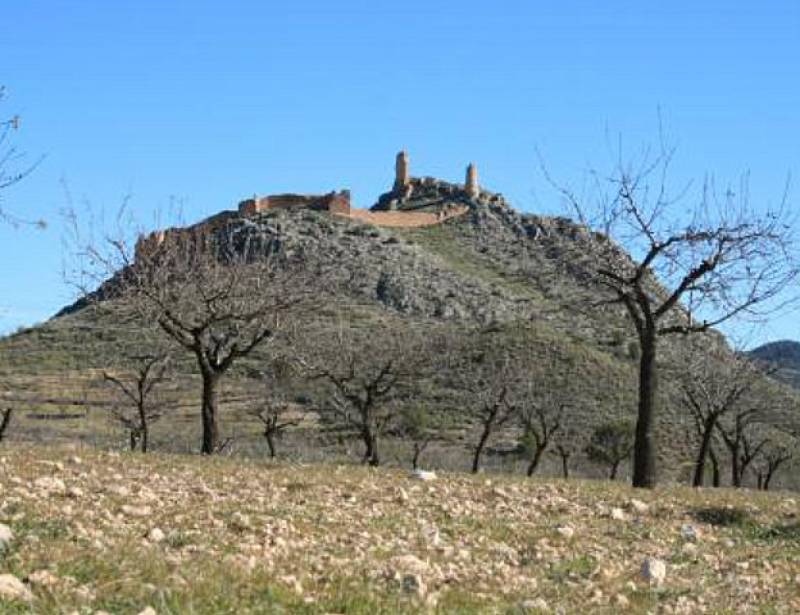 The fortress of Xiquena is a ruined fortification very close to boundary between Murcia and Andalucía in the north-west of the large municipality of Lorca, alongside the C-22 road which leads from La Parroquia to the Almería town of Vélez-Rubio.
This has been frontier country ever since the Christian forces took control of most of Murcia in the 13th century while Andalucía remained under the control of the Moors, whose kingdom was based in Granada, and this explains the reasons for the construction of a fortress in what is nowadays a fairly isolated area. However, the spectacular valley in which the small hill of Xiquena stands was settled in by people glad of the water from the River Corneros as long ago as the 5th century, and even before that it is known that the route of the Roman Via Augusta passed through here.
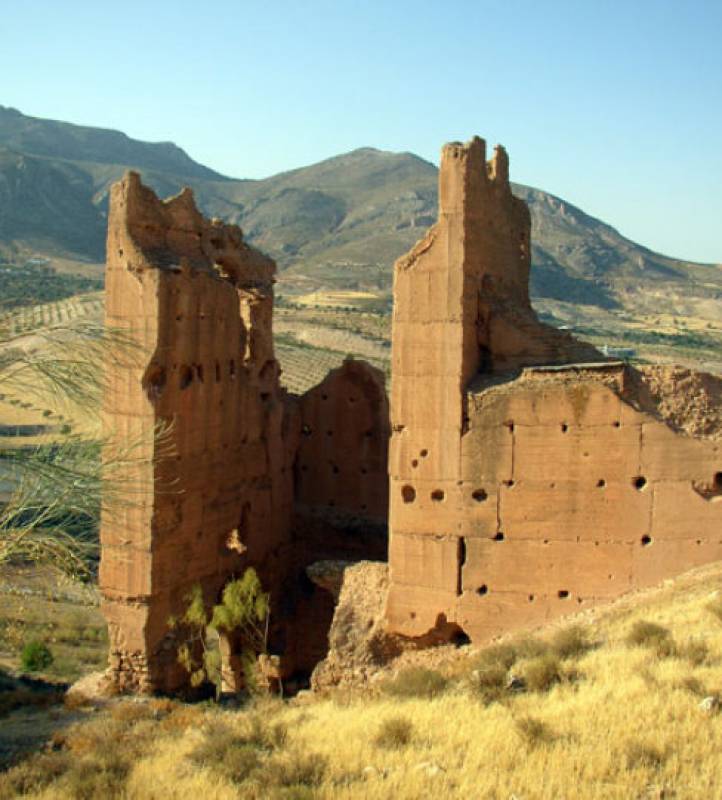 The Christians first took control of the area in 1233, when the troops of Alonso Yáñez Fajardo captured the Islamic fortress of Xiquena and the neighbouring castle of Tirieza after a brief siege and bombardment, and it was this campaign which led to Yáñez Fajardo’s nephew, Alonso Fajardo “El Bravo” being made a “caballero”. Tirieza was soon deserted and Xiquena became the local outpost of the Kingdom of Murcia on the front line with the Nasrid kingdom of Granada.
In 1450 it was gifted by King Juan II of Castilla to Alfonso Fajardo, but nine years later he sold it to the Marqués de Villena, Don Juan Pacheco, who used the fortress to strengthen his political position.
As the Christian frontier advanced towards Granada during the 15th century, resulting eventually in the expulsion of the Moors from Spain in 1492, the castle became less important and the struggle for control of Xiquena became a domestic one, principally between the Pacheco family and the local authorities in Lorca.
 The troops of Pedro Fajardo Chacón, Marqués de Los Vélez from 1507 to 1546, destroyed the fortification even while it was still in the hands of the family, no doubt deeming it to be of secondary importance to that of the nearby castle of Vélez Blanco.
Some maintain that the name “Xiquena” is derived from the Arabic “Gikena” or “Gehenna”, meaning “hell”, while others believe it is named after a Roman villa which had been located nearby.
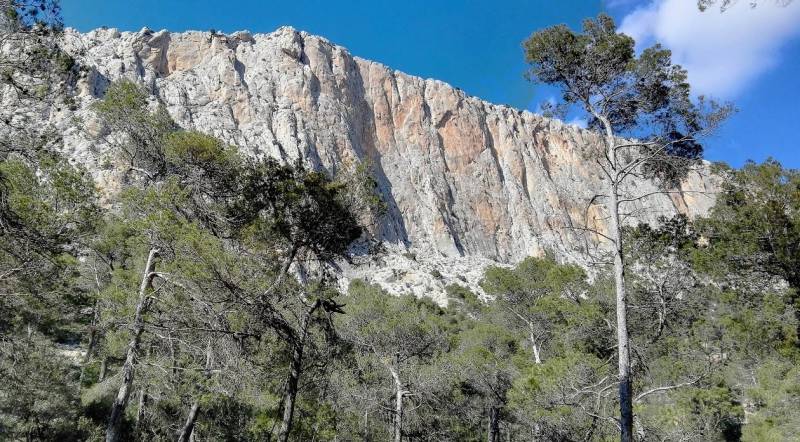
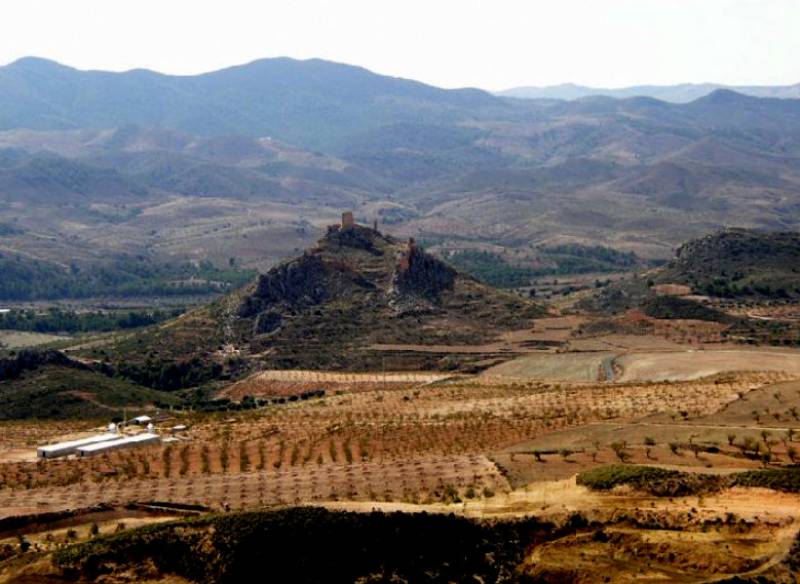
Nowadays the area is a popular one among walkers and mountain bikers who enjoy the spectacular landscape of the Sierra del Gigante, and from the ruins of the castle there are attractive views out to the fortresses of Tirieza, Puentes, Vélez Blanco and Vélez Rubio.
For more local visiting information, events and news go to the home page of Lorca Today.
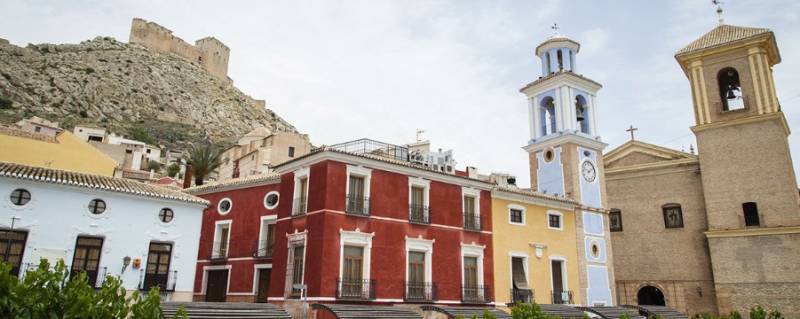
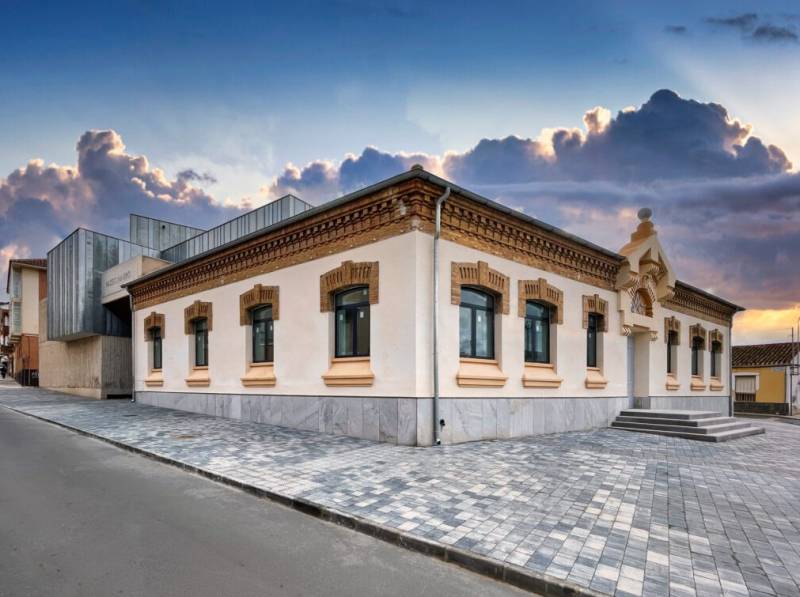
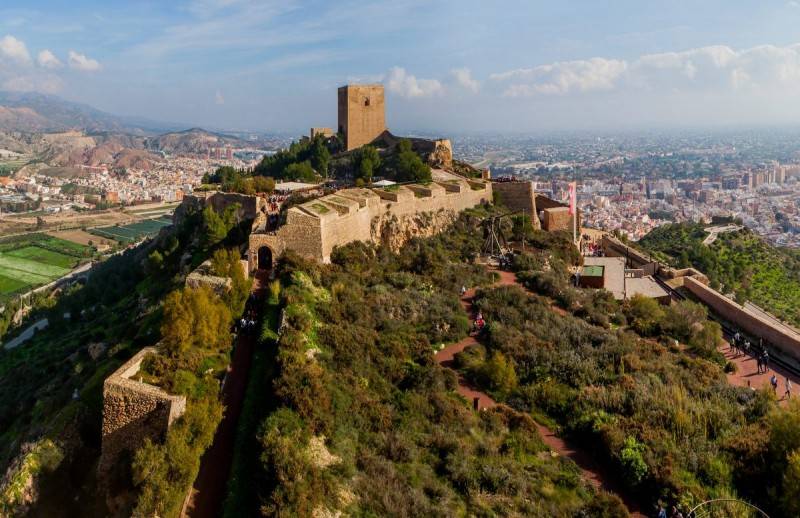
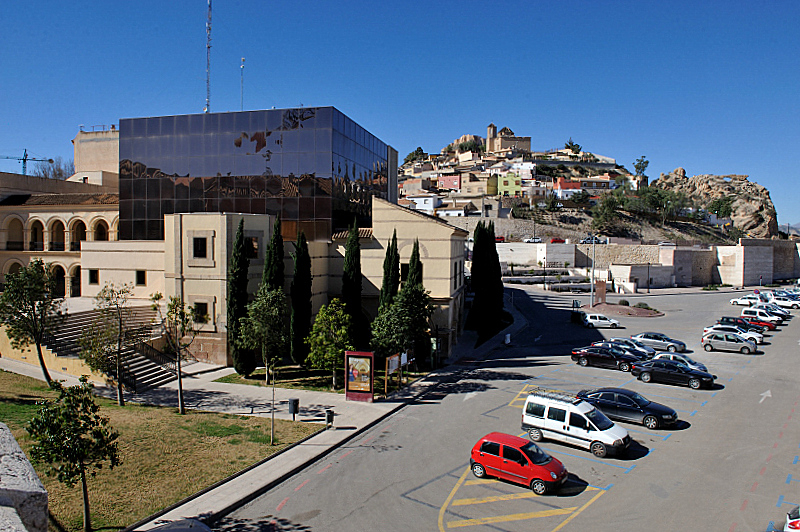
The rich and extensive history of Lorca has left a legacy of archaeological sites and historic buildings around which the modern city has built its tourism industry. Amongst these are Lorca Castle, Plaza de España, the former Collegiate church of San Patricio, the municipal archaeological museum, the Casa Huerto Ruano, the Palacio de Guevara and the churches and convents of San Francisco, San Mateo, the Virgen de las Huertas, La Merced, El Carmen and many others.
Unfortunately, Lorca has been prone to natural disaster, suffering a severe flood in 1973 which killed 50 people, and a Gota Fría on September 28th 2012, as well as a series of earthquakes, the most recent of which was 5.3 on the Richter scale on 11th May 2011 and claimed 9 lives.
 Lorca also has an area of unspoilt coastline incorporating the Parque Regional de Cabo Cope - Puntas de Calnegre, which includes the beaches of Puntas de Calnegre, Cala Calnegre and various others. Although only one is accessible by road others can be reached along dirt tracks!
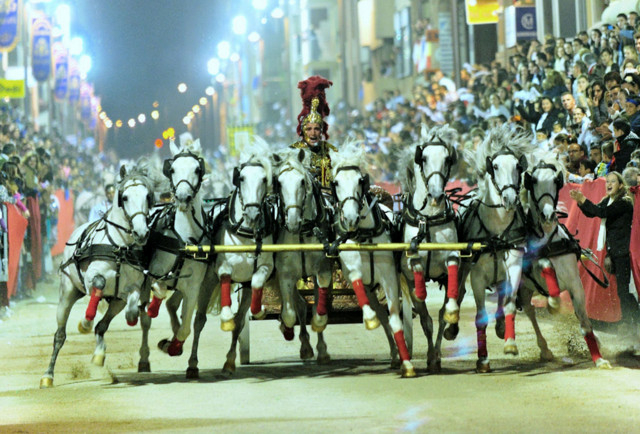
In terms of fiestas, Lorca is synonymous with Easter (Semana Santa), its biblical parades of International Tourist Interest status being famous throughout Spain. The week includes a series of parades in which the whites (Paso Blanco) and blues (Paso Azul) try to outdo each other with the magnificence of their embroideries and the skill and daring of their horsemen.
In the Autumn Lorca also celebrates the Fiestas of San Clemente and a Feria and there are a series of important events throughout the year in the Recinto Ferial, as well as a busy cultural and sporting programme.
The tourist office relocated for 14 years to Calle San Patricio, near the church, but has now returned to its former premises alongside the Palacio de Guevara in the Plaza Concha Sandoval, or Plaza de la Bordadora (click for map).
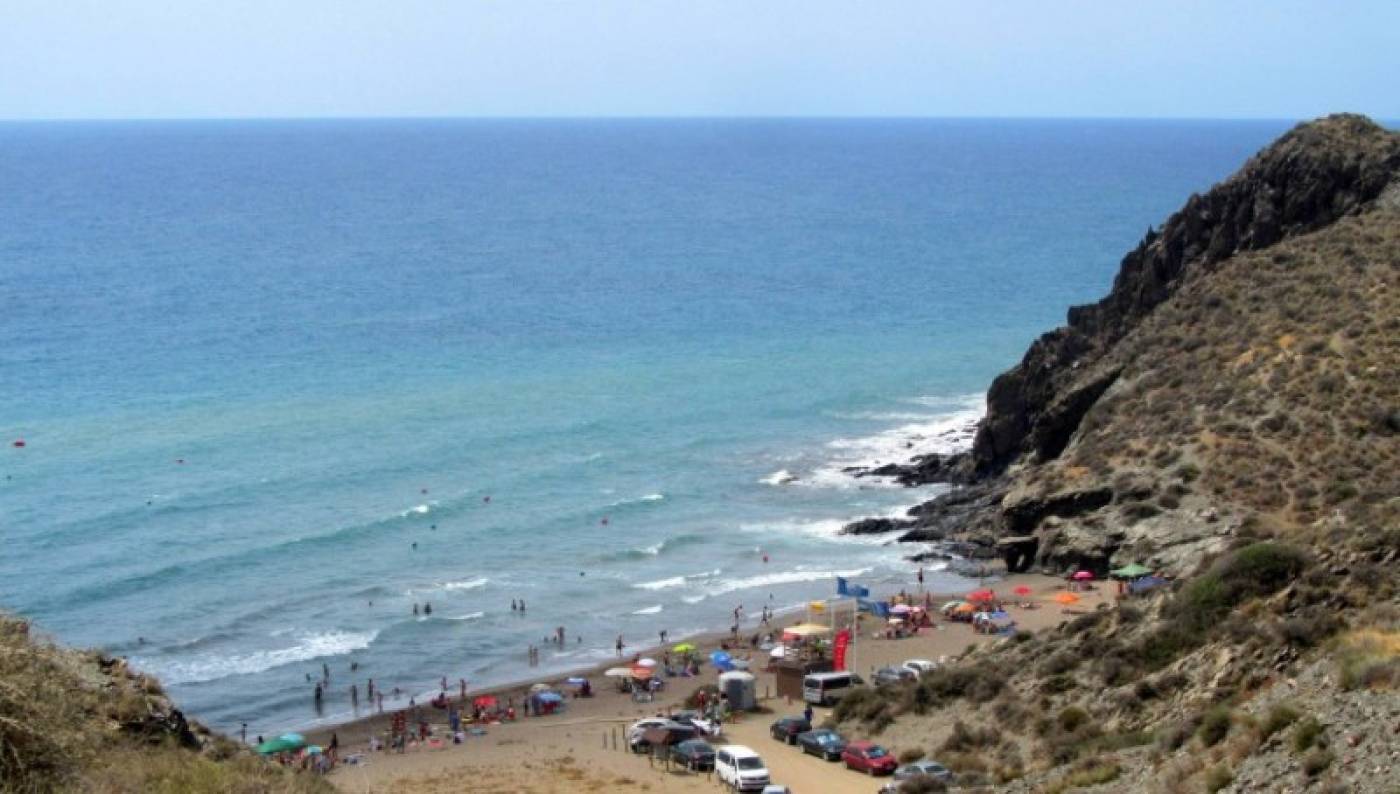 Lorca also has an area of inspoilt coastline incorporating the Parque Regional de Cabo Cope - Puntas de Calnegre, in the Sierra de Almenara, which includes the beaches of Puntas de Calnegre, Baño de las Mujeres, San Pedro, El Siscal, Cala Honda, Cuartel del Ciscar, Junquera, Cala de la Gruta, Cala Leña, Los Hierros, Cala Blanca and Playa Larga, although many are accessible only along difficult tracks or by boat!
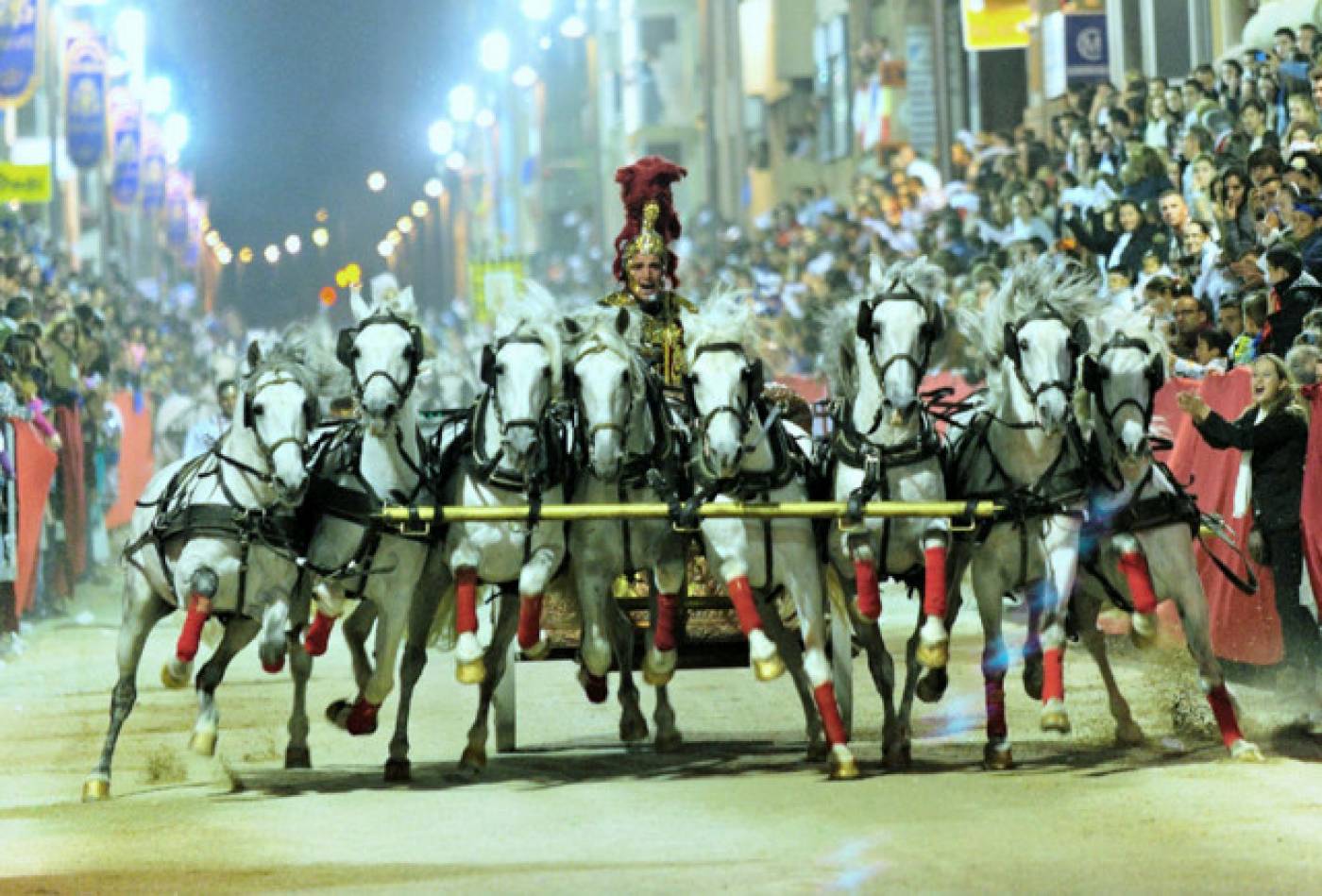 However, in spite of its many attractions, the name of Lorca is synonymous with Easter, (Semana Santa) its biblical parades of International Tourist Interest status and famous throughout Spain. The week includes a series of processions in which the Whites (Paso Blanco) and Blues (Paso Azúl) try to outdo each other with the magnificence of their embroideries and the skill and daring of their horsemen.
Lorca also has a Parador hotel, located within the historic castle.
Every day of the year apart from 1st and 6th January and 25th December, 10.00 to 14.00 and 16.30 to 18.30 (except Sunday afternoons).
These opening times are often extended and other information points created during the Semana Santa celebrations.
For more local news, events and visiting information go to the home page of Lorca Today